















11/09/2026
If you run a business in Hackney, rubbish can't be treated as a casual afterthought.
Rubbish Clearance Hackney provides practical waste removal in Hackney for household, commercial and trade needs, with a focus on straightforward loading, responsible disposal and a service structure that helps customers choose the right type of clearance. If you are dealing with bulky items, day-to-day rubbish, garden cuttings or building debris, the site brings the main options together so you can decide what fits the job before requesting a quotation.
Our work is organised around common clearance tasks rather than one generic approach. That means you can look at domestic waste collection for everyday rubbish, furniture removal for larger household items, or other service pages when the waste stream is more specific. The aim is to keep the process clear: choose the relevant service, review the scope, and send an enquiry when you are ready for a quotation.
We also set out helpful background on pricing, compliance and disposal so customers can make an informed request. For a broader view of what is available, the services overview gives a simple starting point, while the quotation page explains how pricing enquiries are handled. If you need support with rubbish clearance in Hackney, the next step can be as simple as reading the relevant service page and asking for a quote.
Domestic clearance usually needs a careful mix of practicality and discretion. Household waste can include old bags of rubbish, broken items, loft contents, unwanted furniture or mixed debris from sorting a room, and each of those calls for a slightly different loading and disposal plan. The domestic service is useful when a property needs a clean reset without the customer having to manage multiple trips to a tip or sorting site.
For homes and flats, the key decisions are often about volume, access and the type of material. A lighter load of general waste is handled differently from a mixture that includes wood, textiles, small appliances or dismantled pieces. When the job involves a whole room, a cupboard clear-out or the leftovers from a tenancy change, a service page such as house clearance can be more appropriate than a general collection, because it reflects the broader scope more accurately.
Before asking for a quotation, it helps to think about access to the property, whether items are upstairs or in a basement, and whether any pieces will need to be broken down before removal. Photographs, approximate quantities and a short description of what is included can make it easier to match the right service. If you are unsure whether your load is better suited to a general collection or a more specific removal page, start with the broadest fit and refine it from there.
Bulky item removal is often about dealing with objects that are awkward to move safely or cannot simply be left with ordinary rubbish. Sofas, beds, wardrobes, tables, shelving and other household pieces usually need planning around carrying routes and vehicle access. A focused furniture removal service is useful where the main concern is one or more large items rather than a full property clearance, especially when the pieces are still intact but no longer needed.
Some clearances involve a mix of furniture and white goods, which is where item type matters. Fridges, freezers, cookers and similar appliances need handling with care, and they are not always best grouped with regular household clutter. Where the main job is appliances rather than general furniture, the dedicated white goods and appliance disposal page gives a clearer match for the enquiry, while a broader furniture page suits living-room or bedroom items.
For customers comparing options, it can help to separate items into what is staying, what is going, and what may need dismantling. Clear descriptions save time and reduce the chance of a quotation being based on the wrong kind of load. If you have a mixed collection of pieces, a short note about quantity, condition and access is often enough to start a proper estimate. Request a quotation when you have the essentials ready.
Garden waste removal is a practical service for customers dealing with cuttings, branches, leaves, turf, soil and the leftovers from pruning or small landscaping work. Outdoor waste tends to be bulky but light, so the main questions are often about volume and what else is mixed in. A tidy garden clearance can make it easier to move on to planting, maintenance or a new layout without piles of material in the way.
When the waste comes from a larger tidy-up, the load may include pots, broken fencing, old timber or lightweight outdoor furniture as well as green waste. In those cases, the service choice depends on the dominant material. The dedicated garden waste removal page is the most direct route for plant matter and yard debris, while a builders or mixed waste page may be more useful if the job includes renovation leftovers as well.
Useful planning for this kind of work is usually simple: note whether the waste is bagged or loose, whether it is stored at the front or back of the property, and whether there are steps, narrow paths or shared access points. A measured description lets the quotation reflect the actual workload rather than a guess. Garden loads can vary a lot between a few tied bags and a more substantial clearance, so detail helps.
Builders waste removal covers the mess that often follows decorating, fitting work, repairs or strip-out jobs. This can include timber offcuts, rubble, packaging, plasterboard, tiles, old fixtures and mixed debris from a room refurbishment. A service that is set up for construction-related waste is useful because the material is often denser, heavier and more varied than ordinary household rubbish.
For trade and property improvement work, timing and access matter as much as the contents. Some customers need a single collection once the job is complete, while others want waste taken away after each stage so the site stays easier to work on. The dedicated builders waste removal page is the clearest match for those jobs, and it sits well alongside the company’s broader guidance on compliance and disposal standards.
If you are preparing an enquiry, list the main materials and mention whether anything is especially heavy, sharp or awkward to move. That gives a better basis for a quote and helps avoid surprises on the day. When access is limited, a short note about parking, loading distance or stairs is useful too. A straightforward description is usually enough to move from interest to a clear quotation request.
Hackney is a district in East London and one of the capital’s most varied inner boroughs, with a patchwork of older streets, canal-side routes, estates, civic buildings and regenerated industrial areas. The name is used both for the wider London Borough of Hackney and for the smaller historic settlement centred around Hackney Central. Much of the area’s character comes from the way these layers sit side by side: Georgian and Victorian terraces, post-war estates, railway corridors and newer residential and commercial developments all appear within a relatively compact urban landscape. Mare Street, Dalston, Clapton, Hackney Wick and Homerton each contribute different street patterns and local identities, while the borough as a whole is known for a strong mix of housing, retail and creative activity. Open space is an important part of the area’s identity, with large parks such as London Fields, Clissold Park and Victoria Park providing room for sport, walking and events. Regent’s Canal also threads through the wider district, linking former industrial areas and waterside paths. Hackney has long been associated with change: it includes historic parish and market places, centuries-old churches, surviving warehouse buildings and newer developments that reflect the area’s rapid evolution in recent decades. Its cultural life is similarly mixed, with independent cafes, music venues, galleries, theatres and community spaces spread across different neighbourhoods. That combination of heritage and reinvention gives Hackney a distinctive urban texture, where local landmarks, busy high streets and quieter residential pockets can sit only a few streets apart.
Commercial and office waste needs a different approach from household rubbish because it may include packaging, archive material, broken fixtures, redundant stock or the day-to-day refuse that builds up in premises. Businesses often want collections arranged in a way that keeps entrances, storage rooms and work areas clear without interrupting operations more than necessary. The service page for commercial waste removal gives a better fit where the material is tied to a workplace, shop, workshop or office environment.
For customers comparing options, it is often worth separating ongoing commercial waste from one-off clearances. Ongoing waste may be linked to routine housekeeping, while a one-off job might follow a refit, stock change or office rearrangement. The quotation page is useful when the best option is not yet obvious, because it helps turn a brief description into a more accurate estimate. If you are ready to move forward, send the details and ask for a quotation.
Commercial waste removal is designed for premises that produce refuse as part of trading, storage or administrative activity. That can include packaging, broken furniture, old display materials, archive boxes, redundant stock or accumulated general waste from a premises that needs clearing. The important point is to match the collection to the type of business load rather than to treat every commercial job as the same.
A well-specified commercial clearance usually starts with a clear list of what is present and how much needs to go. Shops may need help with back-room clutter, offices with desks and paper waste, and workshops with mixed material that is not suitable for ordinary bins. If the enquiry is for workplace waste in particular, the dedicated commercial waste removal page is the obvious destination, while a broader services overview can help if the load includes several material types.
It is usually enough to note the main items, whether they are bagged or loose, and whether any equipment needs dismantling before it can be carried out. Access details matter too, especially in shared buildings or streets where loading space is limited. If you have photographs, they can support the description, but a concise written summary is still the most useful starting point for a quotation.
Rubbish clearance is easier to compare when the pricing basis is explained in plain terms. Costs can be influenced by the amount of waste, the type of material, the effort needed to carry items from the property, and whether the load contains heavier or more awkward pieces. That is why a good quotation request is not simply about saying “there is rubbish”, but about identifying what kind of waste is involved and how it is stored.
The pricing and quotes page is the best place to start when you want to understand how a request is assessed. If you also want reassurance about handling and disposal practice, the waste carrier licence and compliance page explains the framework that sits behind lawful waste movement, while the sustainability page covers recycling and material recovery. These pages help customers compare the service beyond the basic collection itself.
Two practical points are worth keeping in mind when asking for a quote. First, describe the waste honestly rather than trying to fit it into the smallest possible category; that usually makes the estimate more reliable. Second, if access is difficult, mention it early so the job can be assessed properly. Clear information leads to clearer pricing, and it helps the final arrangement run more smoothly. For a quotation, use the relevant service page and include the key details in your enquiry.
Different waste jobs call for different service choices, so it is sensible to match the page to the main material before sending an enquiry. Domestic rubbish, furniture, appliances, garden waste, builders debris and commercial loads each have their own characteristics, and the best result usually comes from naming the dominant type first. That keeps the quotation request focused and makes it easier to identify whether a single collection or a broader clearance is needed.
If you are checking how the business handles transaction details and customer information, the payment and security page and the privacy policy are both available from the site. They are useful alongside the service pages when you want a fuller picture before getting in touch. Once you know which page best matches the job, a brief note with the waste type, quantity and access conditions is enough to begin.
Ready to request a quotation? Choose the most suitable service page, share a clear description of the waste and ask for an estimate. If you would like to speak to the team directly, use the contact page to send your details and start the quotation process.
Rubbish clearance in Hackney for homes, landlords, builders and businesses, with clear service information and quotation enquiries.
If you run a business in Hackney, rubbish can't be treated as a casual afterthought.
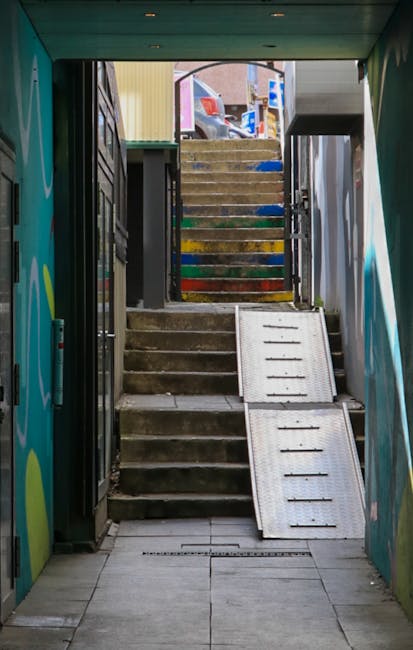
If you live in a Clapton flat, you already know the awkward bits: a narrow hallway, a turn on the...

If you have ever stared at a pile of old furniture, builder's rubble, or a flat's worth of mixed...
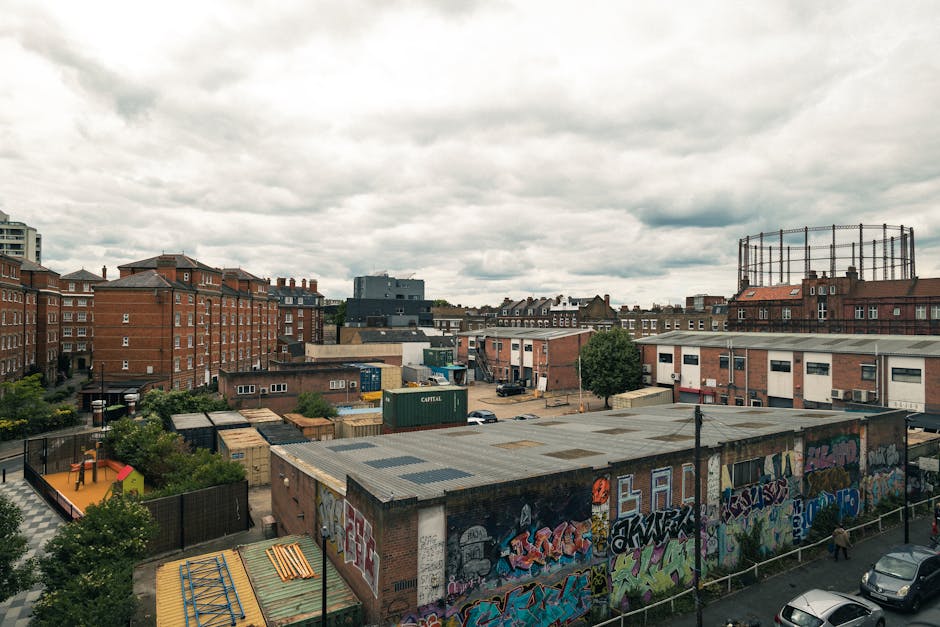
If you are running a site in Hackney Wick, you already know how quickly builder's waste can pile up.
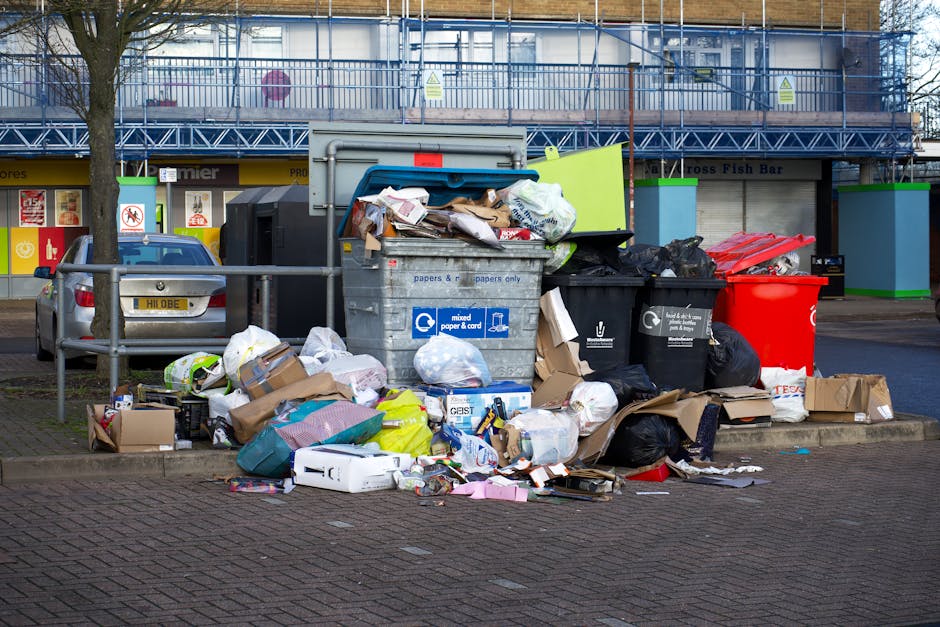
If you manage rental property in Dalston, rubbish clearance is one of those jobs that seems small...

If you have ever compared rubbish clearance prices and thought, "That looks fine... but what's...

If you are staring at a pile of hedge trimmings, old turf, brambles, soil, and bagged leaves...

If you live, rent, manage property, or run a business in Hackney, rubbish disposal can feel...

If you need clutter gone fast, this Hackney Central rubbish clearance guide for same day quotes...

Investing in Hackney real estate offers a lucrative opportunity for both seasoned and novice...

Located in the heart of East London, Hackney is a diverse and dynamic area known for its vibrant...

Hackney, a vibrant district in East London, has become increasingly popular among property buyers...

 (88)
(88)
Please fill out the form below to send us an email and we will get back to you as soon as possible.