Clapton flat rubbish removal access and stairs tips
Posted on 20/08/2026
Clapton Flat Rubbish Removal Access and Stairs Tips
If you live in a Clapton flat, you already know the awkward bits: a narrow hallway, a turn on the landing, a staircase that seems one inch too tight, and a pile of rubbish that somehow got bigger overnight. That is exactly where Clapton flat rubbish removal access and stairs tips become useful. The right approach saves time, lowers risk of damage, and makes the whole job feel less like a battle with your building.
In this guide, we'll walk through how access affects flat clearances, how stairs change the plan, what to prepare before the team arrives, and which mistakes tend to cause delays. You'll also get a simple checklist, a comparison table, and a realistic example from a typical Clapton flat. Nothing fancy. Just the sort of practical advice that helps on a busy London day when the bin bags are already by the door and the stairwell is giving you side-eye.
Why Clapton flat rubbish removal access and stairs tips Matters
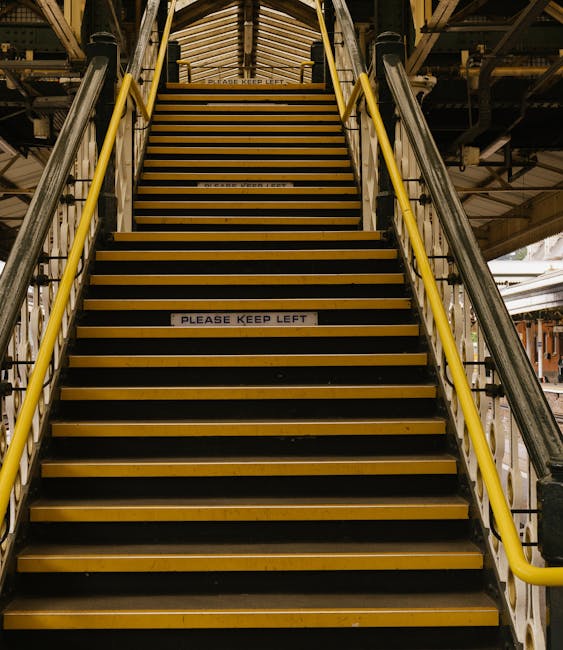
Access is not just a minor detail. In flat clearances, it often decides how long the job takes, how many items can be moved safely, and whether the team can work efficiently without bumping walls, catching banisters, or blocking neighbours' entrances. Stairs matter even more, because they change lifting angles, the number of trips needed, and the amount of care required on each turn.
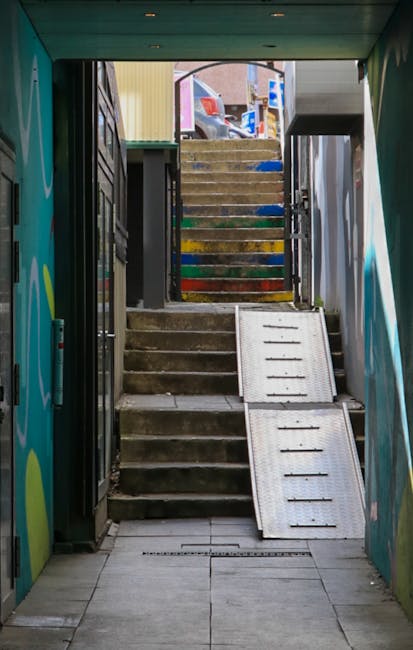
In Clapton, many homes are in converted terraces, mansion blocks, or older purpose-built flats. That means you might have tight bends, shallow landings, uneven steps, shared entrances, or a front door that opens straight into the stairwell. If you've ever tried carrying a bulky wardrobe down two floors and round a corner that feels designed by someone with a grudge, you'll understand the issue quickly.
Good access planning matters for three reasons:
- Safety: fewer chances of slips, strains, or damage to the building.
- Speed: the team can remove items faster when they know the route.
- Accuracy: a better picture of access usually means a better quote and fewer surprises.
It also helps with neighbour relations. Stairwells are shared spaces, and nobody enjoys a blocked escape route or a trolley left in the way while someone's trying to get past with shopping bags. A little planning goes a long way.
If you want the wider service context too, it can help to look at the broader services overview and the company's approach to insurance and safety.
How Clapton flat rubbish removal access and stairs tips Works
The process is usually straightforward once access is explained properly. The key is to describe your building as it really is, not as you hope it is on a sunny day with the lift working. A provider will usually want to know the number of floors, whether there's a lift, whether the stairwell is narrow, and if the collection point is outside the building, in a courtyard, or at the roadside.
Here's how it typically works in practice:
- Initial assessment: You share what needs removing and describe the flat access, including stairs, lift access, parking, and any tight turns.
- Quote and planning: The provider estimates labour, loading time, and any extra effort needed for carrying items downstairs.
- Arrival and walk-through: On the day, the team checks the route, confirms any obstacles, and plans the safest path.
- Removal: Items are carried, lifted, or wheeled out carefully, often in stages if the stairwell is tight.
- Sorting and loading: Reusable and recyclable materials are separated where possible before transport.
The exact approach depends on the item mix. A few bin bags is one thing. A sofa bed, fridge freezer, and broken desk on the third floor is another matter entirely. The more awkward the load, the more useful it is to be specific.
For people comparing options or checking what is included, the pages on pricing and quotes and payment and security can be helpful. They give a clearer sense of how a proper service is structured.
Key Benefits and Practical Advantages
When access is planned well, the benefit is bigger than just "less hassle". It changes the whole feel of the clearance. You get fewer delays, less chance of making a mess, and less stress about whether the team can actually get the bulky things out without drama.
Some of the most practical advantages include:
- Fewer delays on the day: clear access details let the team arrive ready.
- Better protection for walls and flooring: especially useful on painted stairwells and narrow landings.
- Lower lifting risk: less awkward carrying means safer handling for everyone involved.
- More accurate pricing: stairs and access are part of the real job, so the quote makes more sense.
- Less disruption to neighbours: shorter moving times and tidier routes usually mean fewer complaints.
There's also a comfort factor. If you're clearing a flat after a move, renovation, tenancy change, or family clean-out, the last thing you want is a disorganised removal morning. A calm, planned route down the stairs makes the whole thing feel under control. Honestly, that counts for a lot.
For items like armchairs, wardrobes, or old appliances, specialist services may be a better fit than trying to manage everything as a general load. You can compare the relevant options via furniture removal and white goods and appliance disposal.
Who This Is For and When It Makes Sense
This topic matters to more people than you might think. Not just landlords, not just movers, and not just the kind of person who owns a suspiciously large shelving unit. If you live in a flat with stairs involved in the route, this is relevant.
It makes sense for:
- Tenants clearing out before or after a move.
- Landlords handling end-of-tenancy waste or left-behind furniture.
- Homeowners making space after a refurb or declutter.
- Estate agents and property managers needing a quick turnaround.
- Busy households that simply do not want to drag rubbish down multiple flights themselves.
It's especially sensible when the item list includes heavy, bulky, or awkward pieces. A few plastic bags are manageable. A mattress or washing machine on a spiral staircase? Different story. You want a clear plan before anyone starts lifting.
In some cases, the more suitable service might be a full property clearance. If that sounds closer to your situation, the details on house clearance can help you think it through. And for mixed household waste, domestic waste collection is often the simpler route.
Step-by-Step Guidance
Here is the simplest way to prepare for a flat clearance when stairs and access are part of the picture. Follow this and you'll avoid most of the usual headaches.
- Measure the awkward points. Check stair width, landing space, ceiling height on turns, and doorway clearance. Even rough measurements help.
- List the bulky items separately. Sofas, wardrobes, bookcases, appliances, and mattresses should be called out clearly.
- Take photos of the route. A quick picture of the stairwell, front door, and any narrow turns is often more useful than a long description.
- Check parking and stopping space. If the vehicle can't stop close enough, the carrying distance increases. That can change timing and price.
- Clear the route before arrival. Move shoes, plant pots, pushchairs, bins, and anything else that gets in the way.
- Warn neighbours if needed. Especially in shared buildings where access might briefly be obstructed.
- Confirm item priorities. Decide what must go first in case the job needs to be split into loads.
A small but useful tip: leave the most awkward pieces nearest the door if you can do that safely. It saves unnecessary turning and shuffling later. Just don't block your own exit, obviously.
If you're dealing with renovation debris or heavier material, it may be worth checking builders waste removal as well. For regular household clear-outs, domestic waste collection remains the baseline option.
Expert Tips for Better Results
After a lot of flat clearances, one pattern stands out: the job goes smoothly when access is explained in plain English and the route is kept simple. Not glamorous, but true.
1) Describe the staircase honestly
If the staircase is narrow, steep, or has a tight turn at the top, say so. Don't soften it. "A bit snug" and "we'll manage" are not measurements. A truthful description helps the team bring the right people and equipment.
2) Mention the lift only if it really helps
Some flats have lifts, but they are small, shared, or not suitable for every item. If the lift is unreliable or too tight for furniture, it's better to say that upfront than to discover it when a sofa is wedged half-in and half-out. Nobody wants that scene.
3) Think about the return journey
It's easy to focus on getting things out. But the route back matters too. If the stairwell is tricky, the team may need to move in pairs, turn items on end, or take a slower descent. That's perfectly normal. Just allow a bit of breathing room.
4) Separate reusable from waste where possible
Keeping donation-worthy items apart from broken waste can reduce confusion and improve sorting. It also makes recycling easier. If sustainability matters to you, have a look at the company's recycling and sustainability approach.
5) Avoid last-minute surprises
A second mattress, an extra bike frame, or a pile of loose rubble can change the scale of the job. If in doubt, mention it. It's better to over-share a little than to understate the load and scramble later.
One more thing. If access involves a shared hall or communal entrance, keep the moving route clear and quiet where you can. It helps the job feel less intrusive, and that matters in a close-packed block.
Common Mistakes to Avoid
Most problems are avoidable. That's the good news. The less good news is that they tend to be very predictable.
- Guessing the staircase size: "It should fit" is not enough when a wardrobe needs to turn on a landing.
- Forgetting about parking distance: a vehicle a long way from the entrance can add time and effort.
- Leaving clutter in the route: bins, scooters, and bags on the stairs slow everything down.
- Not mentioning shared access rules: some buildings have entry codes, concierge windows, or quiet hours.
- Hiding the heaviest item: that usually leads to an awkward moment for everyone.
- Assuming a lift solves everything: sometimes it doesn't. Lift size and weight limits still matter.
The biggest mistake, to be fair, is treating access as an afterthought. In flat rubbish removal, access is part of the job, not a footnote.
If you're dealing with a bigger post-renovation load, the right fit may be a more specific disposal route. The guide to builders waste removal can help with that thinking, while house clearance suits broader property-scale jobs.
Tools, Resources and Recommendations
You do not need much specialist kit for a standard flat clearance, but a few simple tools and habits make a big difference.
| Item or approach | Why it helps | Best for |
|---|---|---|
| Measuring tape | Checks tight stair turns and door widths before removal day | Bulky furniture, appliances, awkward hallways |
| Phone photos | Shows the route clearly and reduces confusion | Any flat with stairs or shared access |
| Clear labels or sorting piles | Keeps keep, donate, recycle, and remove items separate | Decluttering and end-of-tenancy clear-outs |
| Floor protection | Helps minimise marks in busy hallways | Painted stairwells, wooden floors, older buildings |
| Access notes | Shares codes, entry times, and parking instructions in one place | Managed blocks and buildings with restricted entry |
In practical terms, the best resource is often just a calm, accurate description of the building. Add a few photos, and you've done half the work already. If you want to understand the company side a bit more, pages like about us and waste carrier licence and compliance are useful trust signals.
For those with mixed waste streams, it can also help to compare specialist services. Furniture, appliances, and general rubbish are not always the same thing, and that distinction matters when you're trying to keep the process clean and efficient.
Law, Compliance, Standards, or Best Practice
When rubbish is being removed from a flat, the practical side is only part of the picture. There's also the matter of responsible handling, safe lifting, and using a carrier that operates properly. You don't need to become a compliance nerd, thankfully, but a few basics are worth knowing.
In the UK, waste should be handled by a licensed carrier and disposed of responsibly. That matters because if waste ends up in the wrong place, the person who handed it over can sometimes end up dealing with the headache later. Best practice is simple: use a service that can explain what happens to the waste, what gets recycled where possible, and how items are managed safely.
Shared buildings also bring practical expectations. Keep communal access clear, avoid damaging walls or doors, and respect building rules around noise and movement. If the block has restricted hours or a concierge, plan around them rather than hoping for the best. Hope is not a strategy, as they say.
It's also sensible to review the service terms before booking. That includes what happens if access is worse than expected, whether extra labour is charged fairly, and how payment is handled. The pages on terms and conditions and privacy policy are the kind of thing people skip until they need them. Then suddenly they matter.
Options, Methods, or Comparison Table
Different flat clearances need different methods. If your building is small and straightforward, one approach works well. If it's a top-floor flat with a tight staircase and a heavy wardrobe, you need more care. Here's a simple comparison.
| Method | Best for | Pros | Watch-outs |
|---|---|---|---|
| Bag-and-carry removal | Small amounts of general rubbish | Quick, simple, low disruption | Not suitable for large furniture or heavy loads |
| Stairwell carry-out | Most flat clearances without lift access | Flexible and efficient when planned well | Needs accurate access info and careful handling |
| Lift-assisted removal | Buildings with suitable lifts | Reduces lifting effort and can speed things up | Lift size, weight limits, and booking rules still matter |
| Specialist item removal | Appliances, sofas, wardrobes, mattresses | Safer for heavy or awkward items | May need extra planning if access is tight |
There isn't one "best" method for every Clapton flat. The right choice depends on the building, the item mix, and how much clear space you have to work with. That's the honest answer.
Case Study or Real-World Example
Picture a third-floor flat in Clapton with a narrow staircase, one landing turn, and a couple of bulky items to remove: a small sofa, a broken desk, three bin bags, and an old microwave. Nothing outrageous, but enough to be awkward.
The successful version of that job usually looks like this: the resident sends photos of the stairs, mentions the landing turn, confirms there is no lift, and leaves the items in the front room near the door the night before. The team arrives, checks the route, protects the main contact points where needed, and carries items out in the order that makes the stairwell easiest to manage.
What makes that run smoothly? Three things: good information, a clear route, and no surprises. The job is often done faster than the resident expected, not because the items were light, but because the planning was solid. That's the bit people forget. The "magic" is mostly preparation.
Now compare that with the difficult version: the sofa is still buried in the back room, the stairs are cluttered with shoes and bikes, the front door code hasn't been shared, and someone has parked across the only easy loading point. Same rubbish, very different day. One is tidy; one is a bit of a faff.
Practical Checklist
Use this before any flat clearance involving stairs or tricky access.
- Measure doorways, stair width, and landing turns if possible.
- Take clear photos of the entrance, staircase, and any tight corners.
- Confirm whether a lift exists and whether it can actually be used for bulky items.
- Tell the provider how many floors are involved.
- Explain where the vehicle can stop and how far the carry distance will be.
- Remove clutter from hallways, steps, and landings.
- Check whether there are entry codes, concierge rules, or access time restrictions.
- Separate furniture, appliances, and general waste if helpful.
- Review what happens if extra items are added on the day.
- Keep neighbours in mind, especially in shared stairwells.
If you're unsure how much to book or how the visit might be priced, the most sensible next step is to compare the details on pricing and quotes and then decide what fits your flat rather than guessing.
Get a free quote today and see how much you can save.

Conclusion
Clapton flat rubbish removal access and stairs tips are really about one thing: making the job safer, quicker, and less stressful by thinking through the route before anyone starts lifting. In older London buildings, that route can be the difference between an easy clearance and a frustrating one.
When you give clear access details, keep the stairwell free, and mention heavy or awkward items early, the whole process tends to run better. Simple, really. And it saves that awful moment when everyone stands at the bottom of the stairs looking up at a sofa that clearly did not get the memo.
Do the prep once, and the rest usually feels much lighter. That's the real win.