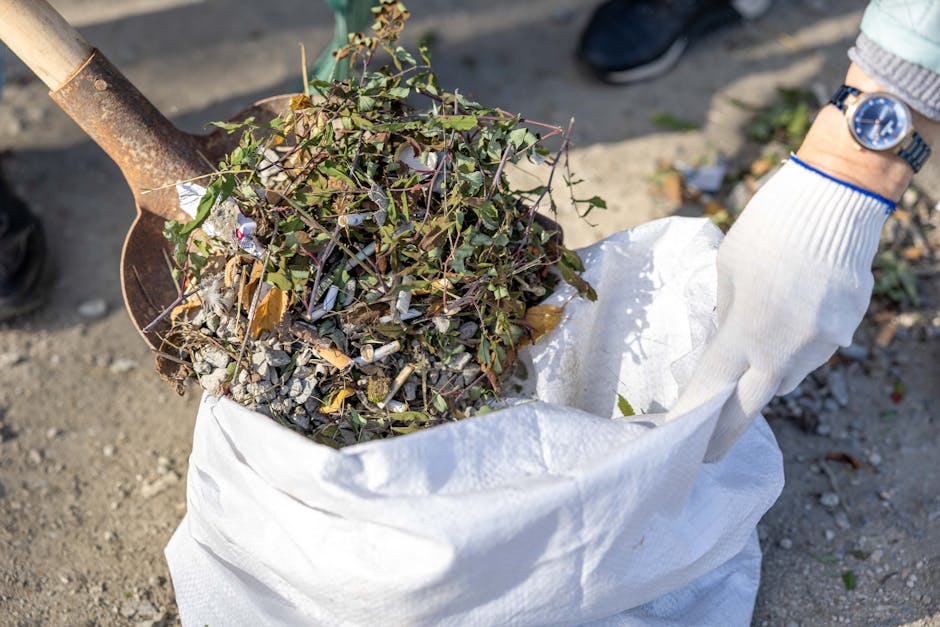
Victoria Park rubbish clearance guide for garden waste
Posted on 14/06/2026
If you are staring at a pile of hedge trimmings, old turf, brambles, soil, and bagged leaves after a weekend tidy-up, you are not alone. Garden waste has a way of multiplying while you are not looking. This Victoria Park rubbish clearance guide for garden waste is here to make the process simpler, safer, and far less annoying than wrestling a half-full car boot through London traffic.
Whether you have cleared a small courtyard, a shared garden near Victoria Park, or a larger outdoor space that has finally been tackled, the main challenge is the same: what should go where, what should stay out of general rubbish, and how do you get it removed without wasting time? In this guide, you will find the practical steps, common mistakes, compliance basics, and a few real-world tips that make the job feel manageable. Truth be told, most people just want the garden cleared and their weekend back.
Why Victoria Park rubbish clearance guide for garden waste Matters
Garden waste sounds harmless, and mostly it is, but it still needs handling properly. Fresh grass cuttings, hedge clippings, branches, roots, and soil can become a bulky mess very quickly. Add broken pots, worn-out plant supports, old bags, and a few bits of mixed household rubbish, and you suddenly have a clearance job rather than a simple tidy-up.
For homes and flats around Victoria Park, the issue is often space. Storage is limited, access can be awkward, and there may not be room to leave bags sitting around for days. If you are preparing a garden for spring, clearing after a renovation, or getting a property ready to let or sell, fast and tidy removal matters. It is not just about appearance either. Damp green waste can smell, attract pests, and block pathways if left too long.
There is also a sustainability angle. Garden waste is one of the easier waste streams to separate and reuse properly when it is collected and handled with care. A tidy clearance that keeps organic material separate from general rubbish is usually cleaner for everyone involved, and that is a decent win, all things considered.
If your clearance includes more than green waste, it may help to think about the wider job as part of a bigger domestic clearance process. In those cases, a broader service such as domestic waste collection in Hackney can be a sensible fit, especially where mixed items need sorting rather than just bagging up leaves.
How Victoria Park rubbish clearance guide for garden waste Works
At its simplest, garden waste clearance follows a fairly straightforward pattern: separate, load, remove, and process. The details matter, though. Good clearance work starts before the vehicle arrives. The better sorted the waste, the faster the job goes, and the less likely you are to end up with avoidable extra handling.
Typical garden waste categories
- Green waste: grass cuttings, weeds, leaves, stems, hedge trimmings, and prunings
- Woody waste: small branches, cuttings, shrubs, and light tree material
- Heavy organic waste: turf, soil, roots, compacted compost, and stones mixed with soil
- Non-organic garden items: broken planters, pots, garden furniture, plastic trays, old plant ties, and bags
That last category is where people often get caught out. Garden clearance is rarely just "garden waste." It tends to be a mix, and mix is where time disappears.
For larger clear-outs, a team may use different handling methods for light green waste and heavier loads. A pile of hedge trimmings is one thing. Wet soil and root balls are another. If you are planning a bigger outdoor project, you might also be dealing with rubble, timber offcuts, or packaging, in which case builders waste removal in Hackney can become relevant alongside garden clearance.
Many customers also choose to combine garden clearance with broader household clearing when they are doing a major refresh. That is where house clearance in Hackney can be useful if you are clearing both indoor clutter and outdoor waste in one go. Saves the faff, frankly.
Key Benefits and Practical Advantages
The obvious benefit is a clean, usable garden. But the real value of proper rubbish clearance goes beyond visual neatness.
- Less physical strain: no repeated trips to the car with heavy bags or awkward branches
- Faster turnaround: especially useful if you are on a tight schedule before a party, tenancy handover, or landscaping project
- Better presentation: useful if the property is being photographed, sold, or rented
- Reduced mess at home: no piles of cuttings drying out on the patio or in a hallway
- Safer pathways: less slipping, tripping, and blocked access around the garden
- Cleaner sorting: materials can be managed in a way that supports recycling and composting where suitable
There is another benefit that is easy to overlook: headspace. A cluttered garden tends to nag at you. You see the pile every time you open the back door. Once it is gone, the whole place feels lighter. A bit dramatic? Maybe. But it is true.
For landlords, agents, and homeowners preparing a sale, tidy outdoor space can make a property look cared for. If that is your situation, the broader context in selling properties in Hackney can be a useful companion read because presentation really does matter when potential buyers are deciding how a home feels.
Who This Is For and When It Makes Sense
This kind of clearance is not just for big garden overhauls. In practice, it helps all sorts of people.
- Homeowners doing seasonal pruning or hedge cutting
- Tenants tidying a shared garden before move-out
- Landlords getting a garden presentable between tenancies
- Letting agents arranging a pre-viewing spruce-up
- Gardeners and landscapers finishing a project
- Older residents who want the space cleared without the physical lift
- Busy families who have let the outdoor area get out of hand, which happens more often than people admit
It makes sense when waste is bulky, access is awkward, or time is short. If your garden waste is small enough for your normal collection routine and local rules allow it, then a separate clearance visit may not be necessary. But if you have got a heap of wet cuttings after three weekends of work, you will probably feel the difference between "manageable" and "let's just get this out of here."
A good rule of thumb: if it would take you several trips, a strong back, and a borrowed pair of gloves, the job may be better handled as a dedicated collection rather than a DIY disposal run.
Step-by-Step Guidance
Here is the clearest way to approach garden waste clearance around Victoria Park.
- Walk the space first. Look for all the waste, not just the obvious pile. Garden jobs hide extra bits in corners, under bushes, and behind sheds.
- Separate green waste from everything else. Keep branches, grass, leaves, and weeds apart from pots, soil, plastic, timber, and general rubbish.
- Remove contaminants. Take out plant ties, metal supports, packaging, stones, and plastic wherever possible. Mixed loads are harder to process.
- Bag or bundle light material. Loose leaves and cuttings are easy to manage when contained. Branches should be tied or stacked neatly if you are handling them yourself.
- Keep heavy waste accessible. Soil and turf should be placed where they can be lifted safely without dragging them across floors or steps.
- Check access routes. Think about side gates, narrow hallways, shared entrances, and where a vehicle can safely stop.
- Ask about the handling method. A professional team will normally assess the volume and confirm whether a mixed load, green waste-only load, or broader collection is needed.
- Confirm timing and collection details. If your waste is being removed on a busy day, make sure everything is ready before the team arrives. It really does help.
If you are comparing options or want a sense of how garden clearance sits alongside other services, the wider services overview can help you see where a garden-only job ends and a mixed clearance begins.
A small real-life moment
We have seen more than one garden job where the visible pile looked tiny at first. Then the bags opened, the mower found the damp patch, and suddenly there were twice as many cuttings as expected. That is very normal. Garden waste grows after it has been cut. A bit cheeky, really.
Expert Tips for Better Results
The best garden clearances are usually the ones planned with a bit of common sense. Nothing fancy.
- Cut waste down before collection day: shorter branches and compact bundles are easier to load
- Keep green waste dry where possible: wet waste gets heavier and messier
- Do not overfill bags: overly heavy bags are awkward to move and more likely to split
- Separate soil and turf early: they add weight fast, so do not mix them with light clippings
- Use one corner as a staging area: it keeps the garden more walkable while you are clearing
- Make the access route obvious: open gates, move pots, and clear the path before anyone arrives
It also helps to think about recycling and reuse. Organic waste may be suitable for composting or other forms of recovery depending on how it is collected and processed. If sustainability matters to you, it is worth reading more about recycling and sustainability so you can make better sorting decisions before the waste leaves site.
And a tiny tip that sounds obvious but gets missed: label anything you want to keep. Garden projects have a habit of burying useful things under the junk, and nobody wants to accidentally lose a brand-new trowel because it was sitting beside an old flowerpot.

Common Mistakes to Avoid
The biggest mistakes are rarely dramatic. They are usually just inconvenient.
- Mixing everything together: green waste, plastics, soil, and household rubbish should not all end up in one messy pile
- Leaving heavy items for last: soil and turf are much easier to manage if dealt with early
- Underestimating access issues: narrow stairs, side passages, and parking restrictions can slow everything down
- Using damaged bags: old or flimsy bags split at exactly the wrong moment
- Forgetting hidden waste: little pockets of debris around borders and under hedges add up
- Assuming all waste is the same: it is not, and mixed loads can change the way removal has to be handled
A less obvious error is leaving contamination in green waste. A few bits of plastic tubing or broken planter fragments may not seem like much, but they can affect whether the material can be handled as clean garden waste. Not ideal.
If you want to avoid compliance headaches too, it helps to understand how responsible waste handling fits into wider local practice. The page on waste carrier licence and compliance is a useful reference point when you are choosing who should remove the material.
Tools, Resources and Recommendations
You do not need a garage full of specialist equipment to organise a decent garden clearance. A small set of practical tools is usually enough.
| Item | Why it helps | Best use |
|---|---|---|
| Heavy-duty sacks | Contain leaves, cuttings, and small debris | Light to medium green waste |
| Tarpaulin | Keeps waste together and protects paths | Gathering branches or loose material |
| Gloves | Protects hands from thorns and rough edges | All outdoor clearances |
| Garden fork or rake | Helps gather and lift debris | Leaf litter, turf, and soft waste |
| Secateurs or loppers | Reduce branch size before removal | Pruning and cutting back |
| Wheelbarrow | Makes transport easier in larger gardens | Soil, turf, and heavier loads |
For broader planning, a quick read through pricing and quotes can help you understand what affects the cost of a clearance, especially if your garden waste is mixed with household items or bulky materials.
Some readers also find it useful to compare green waste-only jobs with other household disposal needs. For example, if the garden clear-out has uncovered an old sofa in the shed, then furniture removal in Hackney may be the cleaner next step. If there is a broken fridge or garden freezer in the mix, then white goods and appliance disposal becomes relevant too.
Law, Compliance, Standards, or Best Practice
Garden waste clearance is not just a practical job; it also has a compliance side. In the UK, waste should be handled by appropriately authorised operators, and that is worth checking before anyone loads your bags into a van. You do not need to become a legal expert, but a little care goes a long way.
The safest approach is simple:
- Use a provider that can explain how waste is handled
- Check that the waste is transferred responsibly, not just dumped somewhere else
- Keep garden waste separate from hazardous or unusual items
- Be clear about any contaminated material, such as soil mixed with rubble or plastic
Best practice also means reducing unnecessary contamination. For example, if you can remove plastic plant pots from a pile of clippings, do it. If you can keep clean branches apart from soil, even better. This helps the material move through the right route more efficiently.
On the safety side, it is sensible to avoid lifting overloaded bags, dragging sharp branches, or stacking waste where it blocks exits. These are small things, but they matter. You will feel the difference by the end of the day, no question.
For anyone who wants a little more background on provider standards, the insurance and safety page is also worth a look. It gives a sense of the kind of practical protection and risk awareness customers should expect from a professional service.
Options, Methods, or Comparison Table
There is more than one way to deal with garden waste. The right choice depends on volume, access, time, and how mixed the load is. Here is a plain-English comparison.
| Method | Best for | Pros | Watch-outs |
|---|---|---|---|
| DIY bagging and disposal | Small tidy-ups | Cheap, simple, immediate | Time-consuming, heavy lifting, awkward transport |
| Scheduled collection | Regular garden maintenance | Predictable and organised | May not suit bulky mixed waste |
| One-off clearance visit | Large or overdue garden jobs | Fast, convenient, handles volume | Needs access and clear sorting |
| Combined clearance | Garden waste plus household items | Efficient when the whole property needs a reset | Requires better categorisation before collection |
If your garden waste is part of a broader home clean-out, the most efficient option may be a combined collection. For smaller, routine loads, a simpler domestic collection may be enough. If you are unsure, ask yourself one question: am I dealing with a garden tidy-up, or am I actually dealing with a mini clear-out? The answer usually tells you what to do next.
Case Study or Real-World Example
Imagine a small back garden near Victoria Park after a wet, overgrown spring. The space has been left for months, so the first pass uncovers hedge cuttings, a heap of ivy, several black sacks of weeds, two broken pots, and a patch of compacted soil from a dead border. Nothing extreme, but enough to feel like a headache.
The most sensible approach would be to separate the material into three groups: green waste, hard non-organic items, and heavy soil-based waste. The broken pots and plastic debris are removed first, the lighter green waste is bagged, and the heavy soil is kept in manageable loads near the gate. That makes loading safer and faster. On the day, the garden is left clear, the path is passable, and the owner can get straight on with replanting. Simple, really.
What tends to surprise people in situations like this is how much better the garden feels once the waste is gone. It is not just neater. It sounds quieter somehow. You can hear the birds again. The space breathes a bit.
In a similar situation where the clearance forms part of a wider local move, rental reset, or property refresh, it can be useful to pair the work with advice from advice on living in Hackney or area context from this Hackney area guide. Not because they are about rubbish directly, but because local knowledge does help when planning timings and access.
Practical Checklist
Use this checklist before your garden waste is collected.
- Walk the entire garden and identify every pile of waste
- Separate green waste from plastics, pots, timber, and general rubbish
- Remove obvious contaminants such as metal, packaging, and plant ties
- Bag light material securely
- Bundle branches or cut them down to a manageable size
- Keep soil, turf, and root balls apart from leaf and hedge waste
- Check access gates, side passages, stairways, and parking space
- Make sure paths are clear and safe to walk
- Decide whether you need a garden-only, mixed, or broader clearance
- Have any special items ready to point out on collection day
Quick summary: the cleaner the sorting, the smoother the clearance. If you do the prep well, the actual removal is usually straightforward. That bit of effort upfront tends to pay you back twice over.
Conclusion
A Victoria Park rubbish clearance guide for garden waste is really about making a messy job feel less like a burden. Once you know how to separate green waste, what to do with bulky or mixed items, and how to prepare access properly, the whole process becomes easier to manage. You do not need to overthink it. Just sort it, stage it, and choose the right way to remove it.
For homeowners, landlords, tenants, and gardeners alike, the goal is the same: get the outdoor space back into shape without creating more work later. Do that well, and the garden becomes a place you actually want to use again, which is kind of the point.
Get a free quote today and see how much you can save.
And if the pile looks bigger than the plan you made in your head, that is okay. Happens to the best of us. A tidy garden has a way of making everything else feel a bit more possible.