Dalston estate rubbish clearance guide for landlords
Posted on 30/06/2026
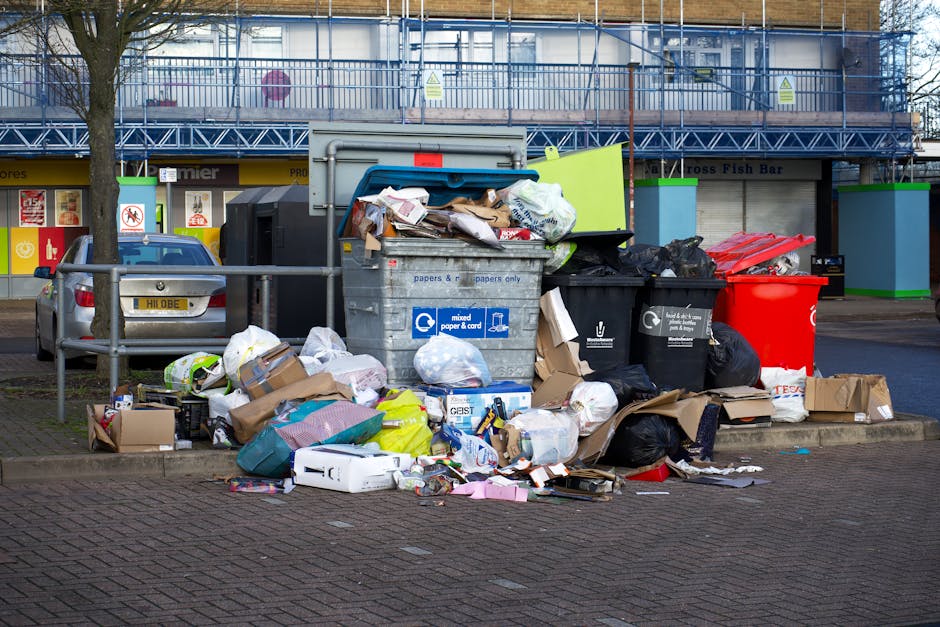
If you manage rental property in Dalston, rubbish clearance is one of those jobs that seems small right up until it isn't. A missed sofa in the hallway, a pile of broken blinds, old mattresses after a tenancy ends, or builders' offcuts left in the back yard can quickly turn into complaints, delays, and avoidable costs. This Dalston estate rubbish clearance guide for landlords is written to help you handle clearance work properly, keep void periods tight, and avoid the kind of messy surprises that eat into margins. Whether you look after one flat or a whole estate, the basics are the same: plan ahead, check compliance, clear fast, and leave the place ready for the next occupant.
In practice, the best clearance process is rarely the loudest or the flashiest. It is usually the one that runs quietly, with a clear schedule, a sensible quote, and no awkward last-minute panic when the letting agent calls on a Thursday afternoon. Let's keep it simple and practical.
Why Dalston estate rubbish clearance guide for landlords Matters
Dalston has a fast-moving rental market, and that changes how rubbish clearance should be handled. Properties turn over often, tenants move out with a mix of legitimate belongings and abandoned items, and common areas can become cluttered surprisingly quickly. If an estate or block is left untidy, the impact is not just visual. It can affect safety, neighbour relations, tenant satisfaction, and the speed at which a unit is relisted.
For landlords, waste left behind is more than an eyesore. It can create a chain reaction. One overflowing bin area attracts more dumping. One abandoned mattress can become three. One delayed clear-out can push back cleaning, snagging, photos, viewings, and a new tenancy start date. That is the part people forget in the moment.
There is also a reputational angle. On a well-managed estate, shared spaces feel calm and cared for. On a neglected one, everything seems harder. You will know the feeling if you have ever walked into a stairwell that smells faintly damp and sees a half-broken wardrobe balanced beside the bin store at 8 a.m. Not ideal, to say the least.
Good clearance planning supports:
- faster re-letting after a tenancy ends
- safer communal areas and fire exits
- less friction with neighbours and managing agents
- better presentation during viewings
- lower risk of council complaints or fly-tipping issues
For landlords who also work with letting agents or block managers, this is where a reliable rubbish clearance process starts to look less like a cleaning task and more like an operational habit. A solid habit. The boring kind, which usually means it works.
How Dalston estate rubbish clearance guide for landlords Works
Estate rubbish clearance is usually a combination of assessment, sorting, uplift, and disposal. It may sound straightforward, but the detail matters. One job can involve a few bags and a broken chair. Another might include bulky furniture, appliances, renovation waste, cardboard, and mixed household rubbish spread across a flat, stairwell, and shared yard.
The process normally starts with identifying what needs removing and what should stay. That sounds obvious, but it is where many jobs go sideways. A landlord may ask for "everything gone" when there are still tenant possessions, fixtures, or items that need checking. A quick inventory saves awkward disputes later.
From there, a clearance provider will usually:
- review the type and volume of waste
- confirm access details such as stairs, lifts, courtyard gates, parking, and loading space
- estimate time, labour, and vehicle requirements
- remove the items safely
- sort materials for recycling or responsible disposal where possible
For landlords in Dalston, access is often the hidden issue. Estate roads, narrow entrances, parked cars, and tight stairwells can slow everything down if they are not planned for. A two-person team may be enough for a flat clearance, but a bulkier estate job may need more hands and more time. That is where a proper quote matters, not just a vague "we'll sort it out" type promise.
If your clearance includes household contents after a tenancy, a full house clearance service may be more appropriate. For simple bagged waste or day-to-day rubbish, domestic waste collection in Hackney can be the cleaner fit. And if the property has been recently refurbished, you may need builders waste removal in Hackney instead. Matching the job to the waste type is half the battle.
Key Benefits and Practical Advantages
The biggest benefit of organised rubbish clearance is control. Landlords already juggle repairs, compliance, agents, deposit disputes, and tenant communication. A structured clearance plan reduces one more source of uncertainty.
Here are the practical gains that matter most:
- Shorter void periods: the quicker the waste goes, the quicker cleaners and decorators can start.
- Better first impressions: a clear communal area helps a property feel managed, not neglected.
- Lower operational stress: one scheduled uplift is easier than four ad hoc trips in the back of a car.
- Improved safety: fewer trip hazards, blocked exits, or sharp broken items left around.
- Better cost control: planned clearance is usually cheaper than emergency panic booking.
There is also a practical environmental benefit. Responsible operators separate recyclable materials where they can, rather than bundling everything into one waste stream. If sustainability matters to your portfolio, that is worth caring about. You can also read more about recycling and sustainability if you want to build better habits into your letting process.
Expert takeaway: the best landlord clearance is not the one that moves fastest in a rush; it is the one that removes the right waste, at the right time, with the least disruption to the next tenancy.
Who This Is For and When It Makes Sense
This guide is mainly for landlords, but in reality it helps a few other people too. Estate managers, block managers, lettings teams, and property investors all face the same basic problem: rubbish appears at the worst possible moment, usually between occupancy changes or just before an inspection.
It makes sense to arrange estate rubbish clearance when:
- a tenancy ends and items are left behind
- a flat is being refurbished between lets
- communal areas are being tidied after complaints
- garden spaces or bin stores have accumulated waste
- white goods or old furniture need removal before new tenants move in
- you are preparing multiple units in one block for reletting
It is especially useful for landlords with older stock or mixed-use properties, where waste types vary from room to room. One unit might have a tired sofa and a dead fridge. Another might only have loft junk, broken shelving, and a pile of cardboard. Different jobs, same overall headache.
When the job is mostly old furniture, a dedicated furniture removal service is often the simplest option. If the job involves bulky appliances, a white goods and appliance disposal service makes more sense. For outdoor clutter, branches, and overgrown waste, garden waste removal may be the better fit.
Step-by-Step Guidance
Here is the landlord-friendly way to approach rubbish clearance without overcomplicating things.
1. Walk the property first
Before booking anything, do a proper walk-through. Check the flat, hallway, loft if there is one, the garden, bin store, and any shared access areas. Photograph what is there. That small admin step can save a lot of back-and-forth later.
2. Separate items into clear groups
Try to divide waste into broad categories: general rubbish, furniture, appliances, renovation debris, and anything questionable. The more specific you can be, the better. A pile that "looks about right" often doesn't. Funny how that happens.
3. Flag anything that may belong to the tenant
If something might still be personal property, pause. Do not assume it is waste just because it is inconvenient. For avoided disputes, a short note to the tenant or managing agent may be worth the time.
4. Check access and parking
Dalston access can be tight. Note whether there are stairs, controlled entry, time restrictions, loading issues, or limited pavement space. A good clearance team will ask these questions anyway, but it helps to be ready.
5. Choose the right service type
Match the service to the waste. General rubbish, bulky furniture, appliances, garden debris, or refurbishment waste all need different handling. If you mix them all into one vague request, you usually end up with a less accurate quote.
6. Book a time that does not clash with other contractors
There is no point clearing rubbish at the same time the painter needs access, or when the cleaner is due to start. Sequence matters. In real life, jobs move more smoothly when clearance comes first, then deep clean, then repairs, then photos.
7. Confirm disposal expectations in writing
Make sure you know what will happen to the waste, whether recyclable items are separated, and whether the provider is properly licensed and insured. That sort of detail is not glamorous, but it is exactly where good landlords protect themselves.
Expert Tips for Better Results
A few small habits make a surprisingly big difference.
Tip 1: book earlier than you think you need to. If you leave clearance until the day before inventory, you are inviting stress. A bit of breathing room means you can spot any item that was missed.
Tip 2: keep a standard void-turnaround checklist. Once you have a repeatable process, use it every time. Same order, same checks, same outcome. It sounds dull. It works.
Tip 3: take "before" photos. Not just for evidence, but to help contractors understand the scale of the job. Two pictures can explain a room faster than ten messages.
Tip 4: plan for mixed waste. Estates often produce mixed waste, not neat categories. A mattress might sit beside a broken bedside table and a bag of old clothes. Allowing for that up front avoids surprise charges later.
Tip 5: think about the next user of the space. If viewings are coming up, go beyond "cleared" and aim for "presentable." There is a difference, and you can feel it as soon as you open the door.
If you want a broader view of how clearance fits into the local area and property market, the articles on investing in Hackney real estate and selling properties in Hackney are useful companions. The timing of waste removal matters more than most people realise.
Common Mistakes to Avoid
This is where landlords often lose time or money. Nothing dramatic, just avoidable stuff.
- Leaving clearance until the final day: that usually means rushed decisions and limited slot availability.
- Booking the wrong service: furniture, builders waste, and domestic rubbish are not interchangeable.
- Ignoring access details: a missed parking restriction or locked gate can derail the whole job.
- Assuming everything can go together: some items need separate handling.
- Not checking credentials: waste should only be handled by compliant operators.
- Forgetting communal areas: one cleared flat does not help if the stairwell still looks rough.
One subtle mistake is underestimating small items. A handful of bags, loose shelving, a torn rug, and a coffee table may not look like much, but together they can fill a vehicle faster than expected. That is often when the quote changes. Not because anyone is being awkward, just because the job was bigger than it first looked.
Another common one? Not speaking to neighbours or the managing agent when access may be disrupted. A quick heads-up can save a lot of friction. People are usually far more tolerant when they know what is happening.
Tools, Resources and Recommendations
You do not need a complicated toolkit to manage rubbish clearance well. What helps most is a simple, repeatable system.
Useful things to keep on hand:
- a digital camera or phone for before-and-after photos
- a property checklist for each tenancy changeover
- a notes file for access, keys, codes, and parking details
- separate labels or bags for any items that must be retained briefly
- a list of approved contractors and preferred timings
If your property regularly needs waste removed after tenants move out, it can be worth having a trusted process for broader waste removal services. That way, you are not starting from scratch every time there is a void period.
For landlords concerned about risk, it is also sensible to review insurance and safety, especially if waste needs to be moved through shared corridors or tight stairwells. Small accidents happen, and it is better to think about them before they happen than after.
And yes, if you are comparing providers, do not ignore the small print. The page on pricing and quotes is worth a look for understanding how clearer pricing tends to work. If you have ever been bitten by a "nice cheap quote" that quietly grew arms and legs, you will know why that matters.
Law, Compliance, Standards, or Best Practice
For landlords, compliance is not just a box-ticking exercise. Waste has to be handled responsibly, and you should be careful about who removes it, where it goes, and whether any sensitive items are mixed into the load.
A few sensible best-practice points:
- use a provider that can show waste carrier compliance
- keep records of clearance work where relevant
- separate obvious tenant possessions from waste until you are sure they can be removed
- avoid leaving waste in communal areas any longer than necessary
- make sure bulky items and electrical goods are handled appropriately
For landlords, the practical question is not usually "what is the exact legal nuance?" but "how do I stay safe and avoid creating a problem?" That is fair enough. A provider with proper processes, proof of compliance, and sensible insurance is usually the safer choice. You can also review waste carrier licence and compliance in plain English if you want to understand the basics better.
Best practice also means being careful with items that could be reused or recycled. A decent clearance plan does not treat every item as identical. A working chair, a damaged wardrobe, and a fridge-freezer all follow different routes. It's a small detail, but it adds up.
Options, Methods, or Comparison Table
Not every landlord needs the same kind of clearance help. Here is a simple comparison to make the choice easier.
| Option | Best for | Strengths | Watch-outs |
|---|---|---|---|
| DIY clearance | Very small volumes and easy access | Low cash outlay, full control | Time-consuming, lift access, parking, disposal hassle |
| Man-and-van style clearance | Mixed small to medium loads | Flexible, quick, often convenient | Needs good access details and clear item list |
| Full property clearance | End-of-tenancy, voids, inherited contents | More comprehensive, less landlord effort | Can take longer if items are numerous or bulky |
| Specialist waste removal | Furniture, appliances, garden, or builders waste | Better match for the waste type | Needs correct categorisation from the start |
For many Dalston estates, the best answer is a mix of methods across different jobs. A small flat after a short tenancy may only need domestic collection. A renovation void may need builders waste removal. A furnished flat after a long let may need a house clearance approach. Different problem, different fix.

Case Study or Real-World Example
Picture a landlord managing three flats above a small commercial unit in Dalston. One tenant has moved out, one is mid-renewal, and the third is about to be photographed for new listings. The empty flat still contains a mattress, two broken office chairs, a disassembled table, a fridge, and five bags of mixed junk. Nothing outrageous on its own. Together, enough to slow everything down.
The smart move in that situation is not to keep putting it off. The landlord walks the unit, separates the appliance, the furniture, and the bagged rubbish, checks the access route, and books a clearance slot before cleaning begins. The result is boring in the best way: the flat is emptied on schedule, the cleaner can get in the same day, and the agent takes photos the next morning without trying to dodge a half-visible mattress in the corner.
Now, imagine the opposite. The landlord waits, the cleaner arrives first, the mattress is still there, and the whole schedule shifts. One small delay becomes a chain of delays. That sort of thing is very common, and honestly, it is usually preventable.
In our experience, the landlords who handle clearance best are not the ones with the biggest budgets. They are the ones who plan it like part of the tenancy cycle, not an afterthought. Simple as that.
Practical Checklist
Use this quick checklist before booking any clearance work for a Dalston estate or rental property:
- Have I checked every room, communal area, and storage space?
- Do I know exactly which items are waste and which may belong to someone?
- Have I photographed the property or the waste pile?
- Have I confirmed access, parking, and any time restrictions?
- Have I identified whether this is furniture, domestic, appliance, garden, or builders waste?
- Will clearance happen before cleaning, repairs, and photos?
- Have I asked about recycling, disposal, and compliance?
- Is the quote clear and specific enough to avoid surprises?
- Do I need to notify neighbours or managing agents?
- Have I allowed enough time before the next tenancy milestone?
Ticking those boxes takes a few minutes. The time saved later is usually worth it. Sometimes much more than you expect.
Conclusion
For landlords, rubbish clearance in Dalston is really about keeping control of the property cycle. Clear waste quickly, and the rest of the void period tends to run smoother. Leave it too late, and small problems start multiplying: delays, complaints, awkward access issues, extra cleaning, and slower re-letting. No one needs that.
The best approach is simple: inspect properly, identify the right waste type, plan access, choose a compliant provider, and book clearance before the pressure builds. If you do that consistently, you will protect both the property and your own time. And to be fair, that is the real win here.
Get a free quote today and see how much you can save.
One last thought: good property management rarely feels exciting in the moment, but it does feel reassuring afterwards. That calm, tidy, ready-for-viewings feeling? It matters more than people admit.